Personalized Brain Health Services for Seniors
Specialized memory care services for seniors are becoming more crucial in managing particular neurological difficulties. These services emphasize customized care plans that account for specific histories and preferences. By encouraging engagement through specialized activities, they work to boost comprehensive quality of life. Understanding the subtleties of these services can enable families to make informed decisions. What considerations should families take into account when picking the appropriate cognitive support program?
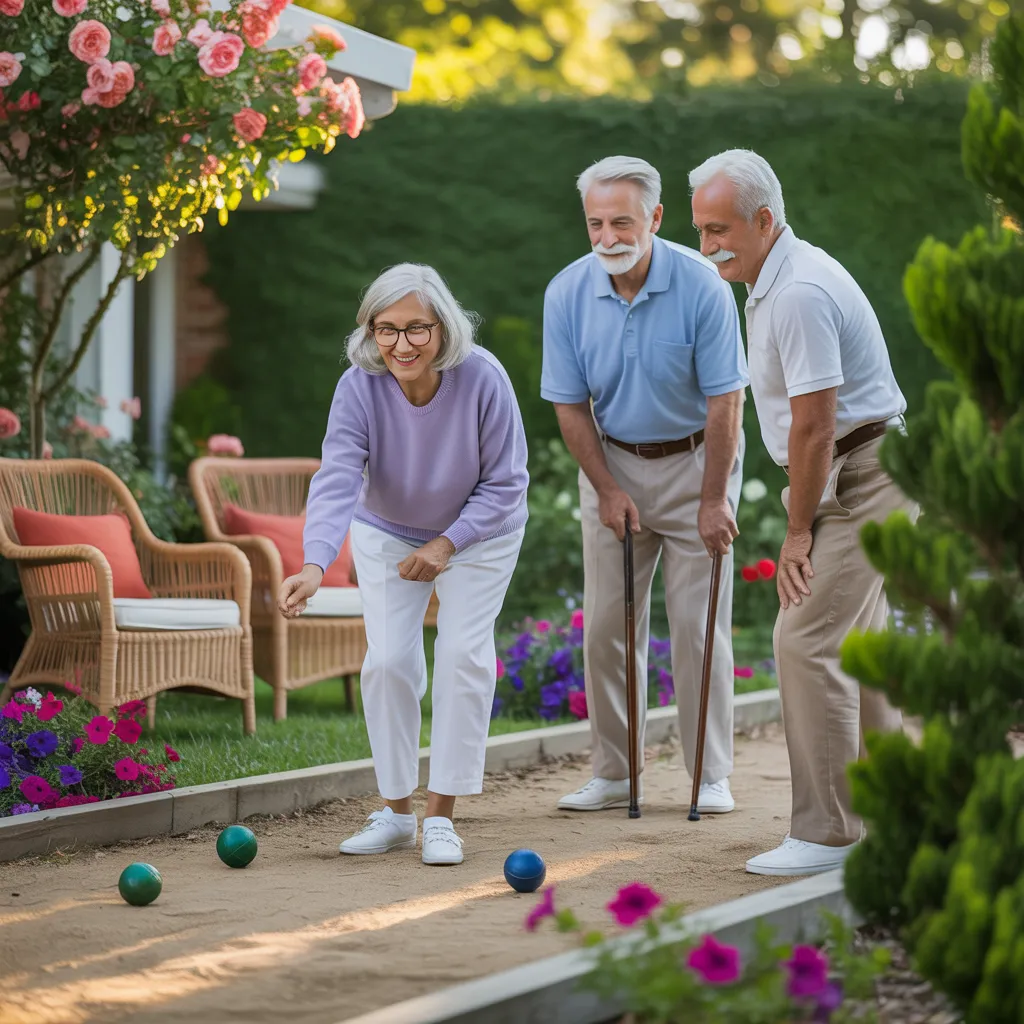
What You Need to Know About Tailored Memory Care Services
When evaluating memory care services, it is essential to understand how tailored methods can significantly improve the quality of life for seniors dealing with cognitive challenges. Customized memory care options are designed to address the individual requirements of each person, recognizing that mental deterioration impacts people differently. These services often include personalized activities and schedules that match a senior's preferences, capabilities, and interests, thereby promoting involvement and a sense of purpose.
Additionally, staff educated in memory care techniques can offer support that respects the autonomy and dignity of each resident. This care individualized helps in reducing distress and worry, which are prevalent in those with impairments memory. Furthermore, family participation is encouraged, ensuring a strategy comprehensive to care. Ultimately, dementia support programs tailored aim to establish an setting where seniors can flourish, promoting both well-being emotional and engagement mental.
Benefits of Personalized Treatment Plans for Memory Challenges
Tailored care plans are vital in addressing the specialized cognitive barriers that seniors experience. These personalized techniques are developed to fulfill distinct requirements, confirming that care corresponds with the specific mental and psychological demands of any senior. By zeroing in on background experiences, preferences, and capabilities, such plans cultivate a sensation of recognition and contentment, which can reduce stress often associated with memory loss.
Moreover, tailored care plans enhance participation by including programs that align with the seniors' preferences, fostering mental stimulation and social connection. This customized approach can produce improved mental performance and a superior quality of life. Additionally, support staff equipped with thorough understanding of the senior's preferences can provide more caring and helpful support, minimizing feelings of frustration for all parties. Ultimately, personalized care approaches empower seniors, facilitating them to address their cognitive challenges with dignity and confidence.
Optimal Practices for Tailored Memory Care Services
Establishing best practices for tailored memory care programs requires a extensive knowledge of each senior's unique needs and preferences. Care providers should prioritize thorough assessments that explore intellectual functions, overall fitness, and emotional well-being. This core understanding facilitates the development of tailored care approaches that properly manage specific challenges.
Regular staff training is essential, making certain attendants are outfitted with the newest strategies in dementia support. Teamwork with families fosters a encouraging environment, facilitating attendants to embed individual stories and tastes into daily routines. Adopting innovative tools, like monitoring devices and digital platforms, can maximize well-being and interaction.
Moreover, flexibility in care plans is essential; adjustments should be made as seniors' conditions evolve. Consistent evaluation of care effectiveness through feedback and observation guarantees ongoing improvement. By adhering to these proven strategies, memory care programs can deliver a supportive and attentive environment that fosters respect and well-being for seniors.
Engagement That Optimize Quality of Life in Memory Care
Purpose-built memory care services not only focus on individualized care plans but also emphasize the significance of stimulating programs that enhance the quality of life for seniors. These activities are created to activate mental abilities while encouraging social interaction and mental health. Art therapy, music sessions, and gardening can offer artistic opportunities, enabling residents to express themselves and engage with their environment.
Structured reminiscence therapy encourages seniors to reflect on memories, fostering a sense of identity and purpose. Physical endeavors, such as gentle exercises or dance, help maintain movement and improve emotional well-being. Additionally, sensory activities—like cooking or pet therapy—can spark positive emotions and heighten sensory perception.
Picking the Perfect Memory Care Support for Your Family Members
How can families guarantee they select the most appropriate memory care service for their family members? The choice begins with comprehensive research. Families should evaluate the particular requirements of their loved ones, considering elements such as the type and stage of memory decline. Touring potential centers allows families to examine the setting, staff engagement, and accessible resources.
Caregiver credentials and accreditation are vital signs of excellence. Families should ask regarding caregiver-to-patient ratios and education given to caregivers. Additionally, it is important to assess the variety of programs and treatments provided, as these can significantly affect residents' well-being.
In conclusion, families should look for feedback and recommendations from fellow parents to gather direct insights. By balancing personal needs with professional recommendations, parents can make informed choices that ensure their loved ones related article receive the personalized and caring support they warrant.
Frequently Requested FAQs Section
How Should I Assess My Family Member's Specific Cognitive Support Requirements?
To determine distinct memory care requirements, one should monitor shifts in behavior, communication skills, performance in daily activities, and emotional health. Speaking with healthcare professionals for assessments and gathering feedback from caregivers can better identify those requirements.
What Requirements Should Nursing Staff Possess in Memory Care Units?
Caregivers working in memory care facilities must have relevant certifications, knowledge of dementia care, excellent communication abilities, empathy, and prior experience. Moreover, they must show perseverance and flexibility to properly fulfill the distinctive needs of residents.
Are Specialized Memory Care Services Covered by Insurance?
Insurance for personalized memory care solutions fluctuates substantially among insurance companies. Many insurance policies may partially cover costs, but it's essential for individuals to verify specifics with their insurer to grasp their benefits and limitations.
How Frequently Are Care Plans Assessed and Modified?
Care plans are consistently reviewed and updated, often quarterly or biannually. This guarantees that the evolving requirements of individuals are properly addressed, facilitating adjustments to treatment approaches and support methods as needed.
What Details Should I Pay Attention to Throughout a Facility Tour?
When conducting a facility tour, one should examine cleanliness, staff interactions, resident engagement, security protocols, available amenities, and overall atmosphere. Additionally, assessing the facility's approach to individualized treatment and community engagement is essential for informed choices.